Roulette in Action: Player Methods and Guidance That Shape Modern Sessions
Felix Ludwig · Oct 5, 2026
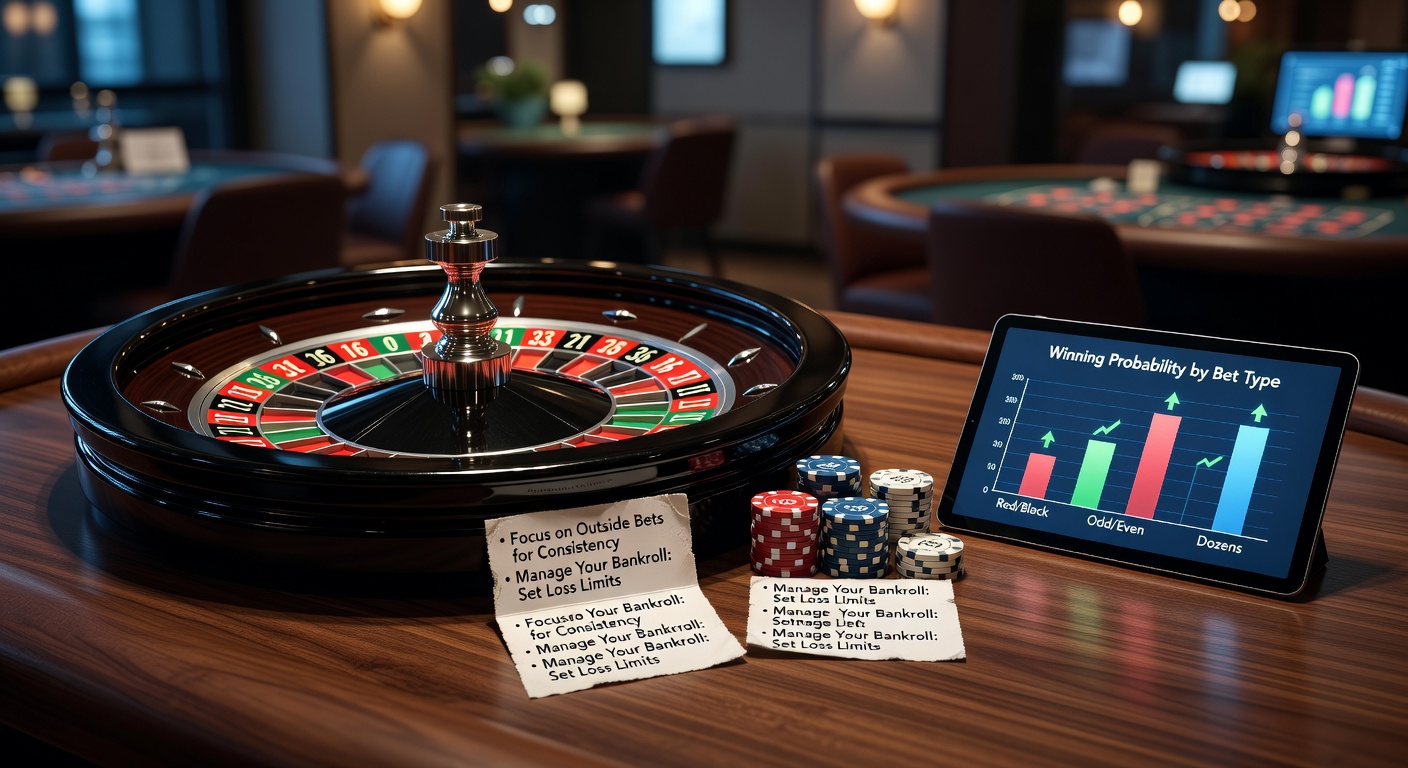
Roulette in Action: Player Methods and Guidance That Shape Modern Sessions
Players approach roulette with a range of methods that focus on bet selection, progression patterns, and session management, while data from regulatory bodies continues to highlight the mathematical structure of the game. European roulette wheels carry a single zero, which produces a house edge of 2.7 percent, whereas American wheels include both a zero and double zero, pushing the edge to 5.26 percent according to records maintained by the Nevada Gaming Control Board. Observers note that these percentages remain constant regardless of prior outcomes because each spin operates independently on a fair wheel.
Progression Systems in Use
Many participants apply progression systems that adjust bet sizes after wins or losses. The Martingale approach doubles the stake after every loss on even-money bets such as red or black, with the goal of recovering previous losses plus one unit when a win eventually occurs. Fibonacci sequences increase bets according to the numbers in that series after losses and decrease after wins, while the D'Alembert method raises or lowers the stake by one unit based on the previous result. Studies compiled by researchers at the University of Nevada, Las Vegas, demonstrate that these systems cannot overcome the built-in house edge over extended play because the probability distribution stays fixed on each spin.
Flat betting maintains the same stake throughout a session, which some players prefer because it limits exposure and simplifies tracking. Data from multiple casino audits shows that participants who combine flat betting with strict session limits tend to experience fewer rapid bankroll swings compared with those who escalate stakes quickly.
Bankroll and Table Selection Practices
Effective bankroll allocation divides total funds into smaller units that represent no more than one or two percent of the overall amount per spin. This practice appears consistently in player reports gathered by industry research groups because it extends playing time and reduces the chance of early depletion. Table selection matters as well: wheels with lower minimum bets allow smaller starting stakes, and those with single-zero layouts improve the overall return percentage compared with double-zero versions.

October 2026 has seen continued growth in both land-based and digital roulette offerings across multiple jurisdictions, with operators reporting steady volumes in markets outside the UK. Regulatory updates in regions such as Nevada and parts of Australia have emphasized clearer disclosure of house edges and minimum return percentages, which gives players additional data points when choosing venues.
Practical Session Tips Reported by Participants
Setting win and loss limits before play begins helps many individuals maintain discipline during extended sessions. When a predetermined win target is reached, some players cash out immediately rather than continuing, which preserves gains that could otherwise be lost in subsequent spins. Similarly, stopping after a set loss threshold prevents deeper drawdowns that compound quickly under progression systems.
Understanding the difference between inside and outside bets influences risk exposure. Outside bets such as red/black or odd/even cover eighteen numbers and pay even money, delivering more frequent but smaller returns, whereas inside bets on single numbers pay thirty-five to one yet hit far less often. Records from casino floor audits indicate that players who mix both categories often adjust their risk profile within a single session.
Digital platforms frequently offer European or French variants that include the la partage rule, which returns half the stake on even-money bets when zero appears. This modification lowers the house edge to 1.35 percent on those specific wagers, a detail noted in reports from the Australian Gambling Research Centre. Players who seek these variants gain a measurable statistical advantage over standard American layouts.
Common Misconceptions and Statistical Reality
The gambler's fallacy leads some participants to expect that a long run of one color increases the likelihood of the opposite color appearing next. Yet each spin remains independent, so past results do not alter future probabilities. Research published in peer-reviewed journals on probability confirms that wheel outcomes follow random distribution when the equipment meets fairness standards enforced by gaming authorities.
Hot and cold number tracking appears in many player discussions, yet statistical analyses across thousands of spins show that any apparent streaks fall within normal random variation. Observers at academic institutions emphasize that no betting pattern can convert a negative-expectation game into a positive one over the long term.
Conclusion
Roulette strategies and tips ultimately revolve around managing exposure, selecting favorable wheel types, and maintaining consistent decision rules rather than attempting to predict outcomes. Data from regulatory and academic sources continues to underscore that the house edge persists across all common systems, which directs attention toward session discipline and game variant choice as the primary controllable factors for participants.